
UPM and Sappi’s proposed graphic paper joint venture comes as demand for the sector’s products declines, according to industry analysis dated November 15, 2026. As paper mills change production lines and consolidate capacity, publishers and printers face the prospect of fewer supply choices and growing pressure to identify a second source of paper.
The distinction between a proposed venture and a completed change in supply matters. The information available describes a proposal, not a concluded transaction or a specific decision to close or convert a mill. Its immediate significance for buyers is the question it raises: how much choice will remain for the paper grades they need as production capacity changes?
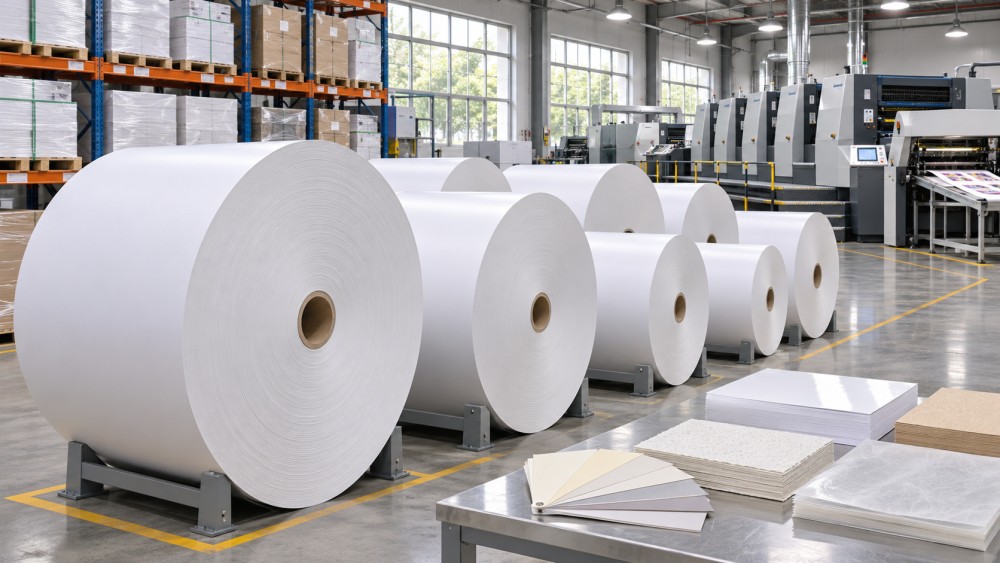
Why a second source matters
For a publisher or printer, an alternative supplier is useful only if it can provide paper that works for the intended job. A second name on a supplier list does not by itself establish that a suitable grade will be available when needed. Buyers may need to consider whether an alternative meets their requirements for print quality, delivery timing and order volumes.
The commercial effect of fewer choices can extend beyond the purchase itself. If a preferred grade becomes harder to obtain, a printer may have to assess another paper or adjust production plans. A publisher may then need to consider how any change affects the finished publication and its schedule. The extent of those effects would depend on the paper involved, the availability of alternatives and the terms under which they can be supplied.
There is also a distinction between maintaining production and maintaining profitability. An alternative paper may allow a job to proceed, but its price, delivery arrangements or suitability for the planned production process could affect the economics. Conversely, a suitable second source could give buyers more flexibility if their usual supply changes. Neither outcome is assured by the proposed venture alone.
What buyers will be watching
The proposed UPM–Sappi venture is one part of a broader question raised by the reported decline in graphic paper demand: whether capacity adjustments will reduce the practical options available for particular grades. A change in ownership or production arrangements does not necessarily translate into an immediate shortage, and the effects may differ across products and customers.
Publishers are likely to focus on continuity for their planned titles and the availability of paper that meets their specifications. Printers have a closely related concern: whether alternative grades can be used within their production schedules and commercial commitments. Both groups have reason to look beyond the number of suppliers and examine the suitability and reliability of the options available to them.
Further company announcements about the proposed venture and any related production arrangements will help clarify its implications. For now, the clearest signal is that declining demand and changing mill capacity make supplier choice an important consideration for graphic paper buyers. The consequences for individual publishers and printers will depend on how those changes develop and on the alternatives available for their specific needs.
Want to dive deeper into these market dynamics, or need data-driven support for your next business move? Drop a line below and let the analysts at GSI-Matrix provide customized insights.
“We respect your privacy. Your information is strictly confidential.”
Related News
- Intellectualization Manufacturing: Where to StartMay 13, 2026Intellectualization manufacturing starts with visibility, integration, and standardized data. Discover a practical framework to boost quality, efficiency, traceability, and smarter growth.
- Modularization Production: Cost or Flexibility First?May 13, 2026Modularization production: cost or flexibility first? Discover how manufacturers balance ROI, scalability, and adaptability to build smarter, future-ready production systems.
- How automation is changing textile engineering in emerging marketsNov 15, 2026Explore how automation is transforming textile engineering in global emerging markets, and discover where smarter investments can improve productivity and quality.
- UPM and Sappi Paper Venture Puts Supplier Choice in FocusNov 15, 2026UPM and Sappi's proposed paper venture puts supplier choice in focus. Explore what changing graphic paper capacity could mean for publishers and printers.